🎥 Understanding Deepfakes
Common Signs of a Deepfake Video
Unnatural Blinking
Deepfake models sometimes struggle with realistic blinking patterns.
Lip-Sync Issues
Mismatched lip movement and speech are common deepfake signs.
Uneven Skin Tone
Watch out for inconsistent lighting or skin texture.
Distorted Backgrounds
Backgrounds often appear warped or inconsistent in deepfakes.
Unnatural Voice Tone
AI-generated voices may sound robotic or lack emotion.
🕒 Evolution of Deepfake Technology
2017
The term "deepfake" first appeared on Reddit, showcasing early AI face swaps.
2018
Deepfake apps and open-source tools emerged, making technology more accessible.
2019
Governments and researchers began raising awareness about deepfake risks.
2020
Deepfake detection tools started being developed by tech companies.
2021
High-profile political and celebrity deepfakes went viral, sparking global concern.
2022
AI voice cloning became more realistic, expanding deepfake use cases.
2023
Deepfake scams surged, targeting businesses and individuals worldwide.
2024
Advancements in both deepfake generation and detection tools continued.
🧪 Test Your Detection Skills
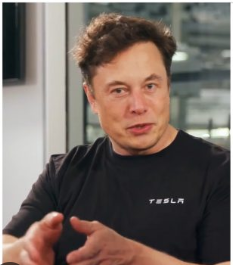
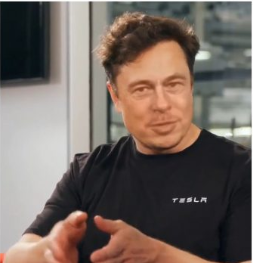
Drag the correct label to each video snapshot.
📊 Real vs Deepfake: Key Differences
Learn to compare real and fake video footage.
🔍 Case Study: Deepfake Incident
Scenario: CEO Fraud Deepfake
Question: A scammer used an AI-generated voice of a CEO to request a wire transfer from an employee. What would you do?
Scenario: Political Manipulation Video
Question: A viral deepfake of a politician making false statements spreads on social media. How should you respond?
Scenario: Fake Celebrity Endorsement
Question: A deepfake video shows a celebrity promoting a scam product. Would you believe it?
Scenario: Family Member Scam Call
Question: You receive a video call from a loved one asking for urgent money, but it feels off. What should you check?
🛠️ Try Real Tools
Microsoft Video Authenticator
Analyzes videos frame-by-frame for signs of manipulation.
Try Authenticator